Featured Story
Featured Story
Maternal Health is an orphan prevention strategy
About HCW
Reports on accountability, stewardship, and allied funding processes.
Our Work
Our Ideas
Data, research, publications, media, curriculum, worship materials, and essential resources.
Empowerment approaches to development, locally led collaborations, respectful alliances, ethical practices, and sustainable progress.
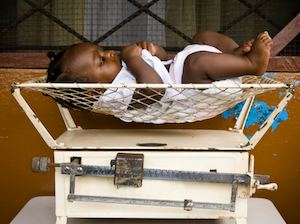
A child is supported by family, a family by community, and community by the systems that sustain it.
We have discovered that alliances that balance power and build local capacity result in locally led outcomes and permanent change to systems of care that are independently operated and sustained.
We magnify and sustain those outcomes by strengthening connections, broadcasting results, and extending reach. We avoid supplanting, usurping or replacing locally led initiatives with inappropriate, culturally-insensitive, or resource-blind precepts. We utilize appreciative inquiry in our co-engineering of crisis responses and interventions.
When families, local leaders, and communities become invested in the work, the work begins to flourish.
When individuals, organizations, communities, agencies, and programs begin to see how they are part of a larger system of care, they cross-pollinate one another, share resources, collaborate, and become greater than the sum of their parts.
That is why our plan is to do more than empower and build the capacity of individuals, or even the capacity of single programs. We leverage our influence to draw the natural components of systems together and initiate conversations to spark imaginations. Soon, they are discovering how they can support one another. They build off of one another, and we take a back seat, envisioning a time when we eventually will be unnecessary for the conversations to build something new and the system to sustain their work.
One of the greatest accelerators of change we see is in the area of health systems engagement. Through our work in alliance with Mercy UMC Hospital, we have seen how we can limit or encourage progress by our attitude.
Village outreach and village partnerships spark conversations with village, district, and national authorities, and clinics that address gaps in national services position Mercy as a facilitator and a catalyzing hub, rather than a stand-alone private concern. That position is threatened when scarcity mindset interferes with making creative connections and sharing resources. Scarcity puts local institutions in the unfortunate position of competition for resources, and while sharing and collaboration is the best countermeasure for scarcity, the fear of scarcity creates distrust and makes collaboration difficult to launch.
Supporting a local shift to systems-level thinking is difficult. Even in the context of favoring one medical service over another, the issue of resources can influence clinicians to compete for funding to the detriment of patients. That happens within the context of a single hospital operation, even in the most well-funded condition, but is heightened in low resource conditions such as are prevalent in Sierra Leone, and within Mercy UMC.
We maintain a systems-level approach in order to combat resource competition issues. That is easier when we are starting from square one. Our collaboration in midwifery training cuts across multiple sectors, and is entirely systems-oriented. Our work with Mercy is just starting to move in that direction, and it will take a while to see that shift take place.
Maintaining a thoughtful balance between systems-oriented supports and capacity building work with our allies is easier when there are more resources to share. However, we know the longterm success of Mercy and of the UMC health system is dependent on a strong national system recognizing the value of all of its components.