Featured Story
Featured Story
Maternal Health is an orphan prevention strategy
About HCW
Reports on accountability, stewardship, and allied funding processes.
Our Work
Our Ideas
Data, research, publications, media, curriculum, worship materials, and essential resources.
Empowerment approaches to development, locally led collaborations, respectful alliances, ethical practices, and sustainable progress.
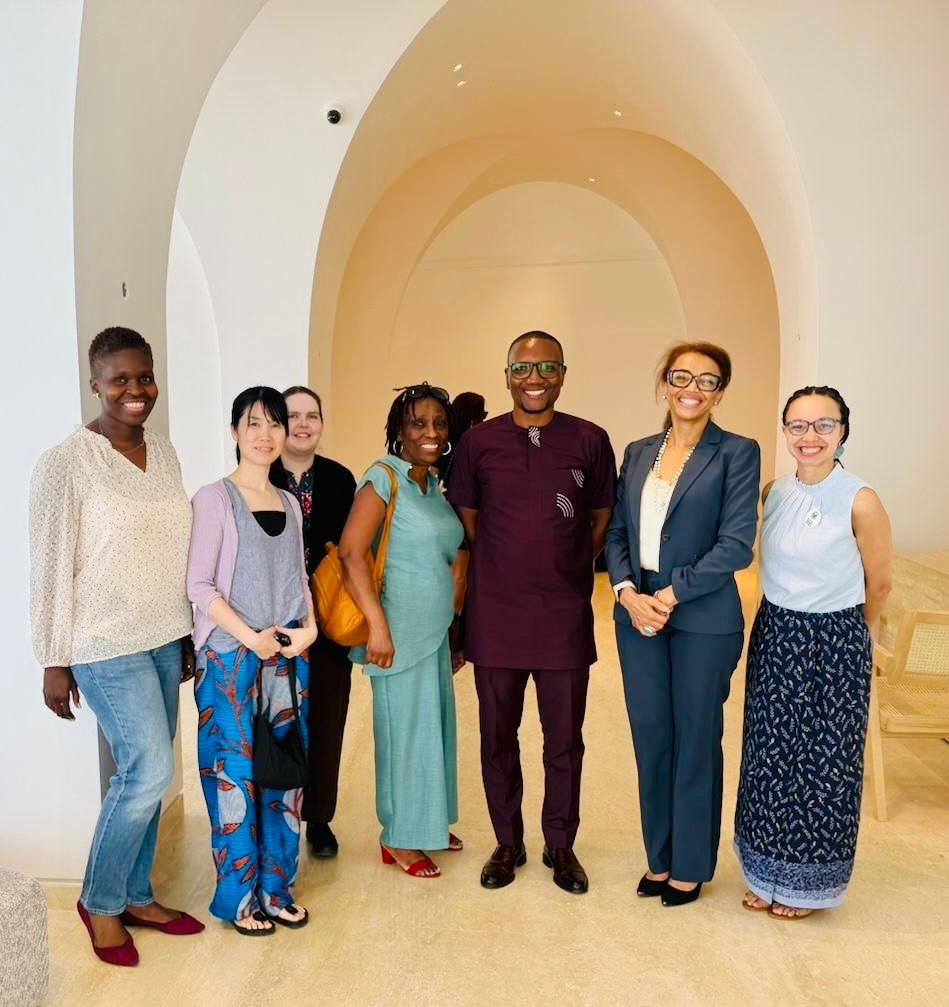
This past May, I had the privilege of sitting down with Dr. Moses, Sierra Leone’s Director of Reproductive and Child Health at the Ministry of Health to discuss the critical, systemic challenges the nation faces in tackling maternal and child mortality—and the creative, groundbreaking solutions they are deploying to overcome them.
The reality on the ground is complex, but the vision for change is clear. “If you build a clinic, and the services are definitely free, and the quality is good, then your patients will come.” These words, shared during our meeting, underscore a shifting healthcare paradigm in Sierra Leone.
Stabilizing the Supply Chain from the Ground Up
A primary hurdle currently facing the healthcare system is a decrease in global investment, which has directly triggered shortages in essential medical supplies and medications. To combat this, the Ministry of Health is collaborating closely with the Ministry of Finance to independently source and stock critical pharmaceuticals. Organizations like the Healey International Relief Foundation are working to provide donations of medications and supplies through the National Medical Supply Agency, strengthening the health care system. Simultaneously, they working in deploying digital inventory tracking so they can ensure a six-month stock at the district level and a three-month stock at local peripheral health units.
Closing the Gap on Non-Emergent Referrals
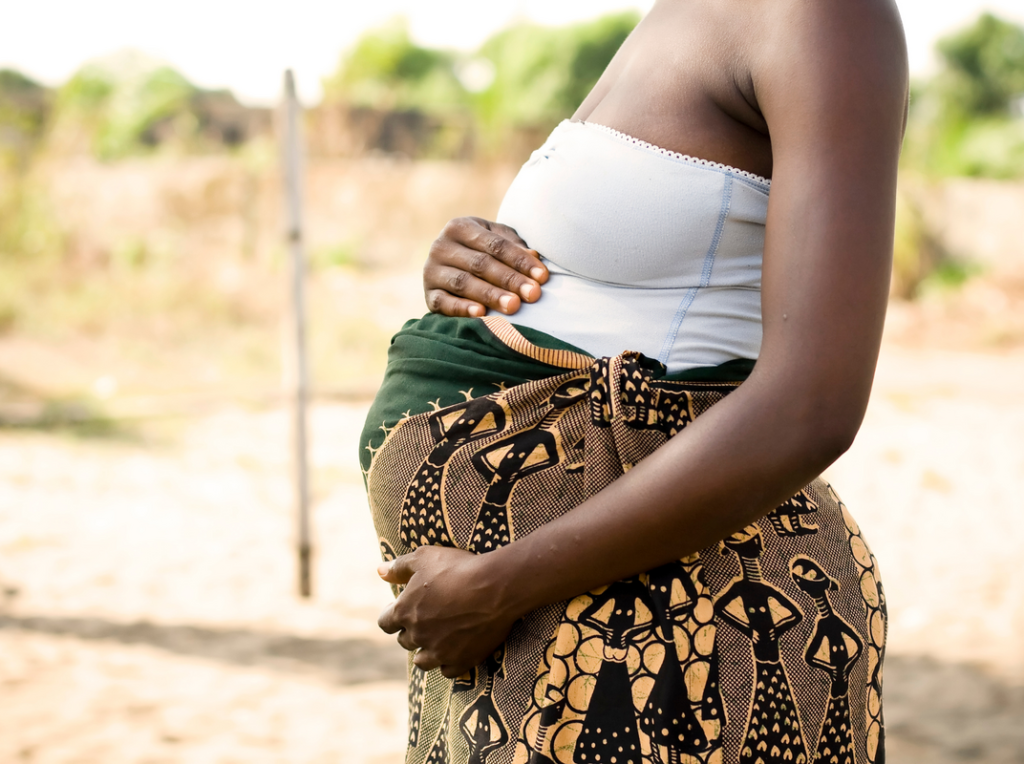
One of the most heartbreaking challenges discussed was the tragedy of “hidden” emergencies. Many pregnant women visit local Peripheral Health Units (PHUs) and are diagnosed with early indicators of danger, like hypertension or preeclampsia. Because they are not yet in active labor or a state of acute crisis, they do not qualify for emergency ambulance transport.
Tragically, many mothers refuse the hospital referral simply because they cannot afford the transit cash or do not fully grasp the danger—and they pass away at home. To bridge this gap, the Ministry is launching a two-pronged approach:
Engaging Husbands as Partners in Care
In many rural communities, husbands act as the primary household decision-makers regarding when and where a woman can seek higher-level medical care. If a husband doesn’t understand the emergency, treatment is delayed.
To transform this dynamic, the Ministry is actively incentivizing paternal involvement. To encourage husbands to attend antenatal care visits, clinics are fast-tracking couples so that pregnant women who arrive with their husbands are seen first.
Harnessing Mobile Innovation: From Ultrasound to PReSTrack
Technology is rapidly expanding access to care across rural terrains. The Ministry is deploying mobile sonographers to remote villages to perform prenatal ultrasounds—critical for establishing accurate gestational age and identifying early complications like twins. We are proud to personally work alongside incredible peer organizations like Tenki for Born and the Rural Healthcare Initiative who are helping execute this exact strategy on the ground.
On a national scale, digital health infrastructure is taking a massive leap forward. The Ministry of Health has introduced PReSTrack, a web and mobile app designed to provide real-time tracking of pregnancies and flag high-risk conditions early, in 3 districts.
In tandem with PReSTrack, clinicians are starting to utilize a digital Labor Care Guide. This interactive tool requires practitioners to log data in real-time, utilizing automated audio and visual alerts to immediately warn them if a labor is beginning to deviate from a safe path.
Restoring Accountability and Provider Wellness
True systemic change requires looking closely at data and the people delivering care. The Ministry of Health now conducts mandatory weekly maternal mortality meetings with all medical superintendents to strictly review and address every obstetric death.
Furthermore, to combat the fear that often prevents families from speaking up, the Ministry is developing an anonymous reporting framework. This allows patients to safely report instances where respectful maternal care was not delivered, completely eliminating the fear of future retaliation at the clinic.
Finally, we discussed a reality that is too often ignored: provider apathy. Because maternal mortality rates have historically been so devastatingly high, many frontline healthcare workers suffer from deep burnout and secondary trauma. Addressing the mental health of these providers and exposing them to higher clinical standards is absolutely vital to restoring empathy and excellence to the wards.
How Helping Children Worldwide is Standing in the Gap
At Helping Children Worldwide, our entire partnership model is built to directly reinforce and support these exact national priorities.
By investing in digital innovation, logistical accountability, and the well-being of local medical staff, we are proudly standing alongside our Sierra Leonean allies to ensure that no mother or child is left behind.

Yasmine Vaughan
Technical Advisor for Global Health and Missions