Featured Story
Featured Story
Maternal Health is an orphan prevention strategy
About HCW
Reports on accountability, stewardship, and allied funding processes.
Our Work
Our Ideas
Data, research, publications, media, curriculum, worship materials, and essential resources.
Empowerment approaches to development, locally led collaborations, respectful alliances, ethical practices, and sustainable progress.
6/12/2026
This year on June 12, the world recognizes World Day Against Child Labour, a day set aside by the International Labour Organization to call attention to child labor and renew global commitment to ending it.
This year, that reminder is urgent. According to the most recent ILO and UNICEF global estimates, nearly 138 million children were engaged in child labor in 2024, including around 54 million children in hazardous work likely to harm their health, safety, or development. The ILO’s 2026 World Day Against Child Labour campaign, “Red Card to Child Labour: Fair Play for Children, Decent Work for Adults,” calls for quality education, social protection, decent work and adequate livelihoods for adults, stronger laws and enforcement, better data and monitoring, and responsible practices in agriculture and global supply chains. (UNICEF)
Behind those numbers are children who should be learning, playing, resting, and growing in safety. Behind those numbers are also families facing impossible pressure: poverty, crisis, lack of social protection, weak local systems, limited access to education, and too few stable livelihood options for adults.
Children belong in safe homes. They belong in school. They belong in communities where they are protected, known, and given room to grow.
But for too many children around the world, poverty, family separation, unsafe migration, weak protection systems, and lack of access to education create conditions where child labor becomes part of daily life. Sometimes children are pushed into work because their families cannot meet basic needs. Sometimes they are separated from caregivers and become more vulnerable to exploitation. Sometimes communities lack the systems needed to identify risk early and respond before harm deepens. That is why ending child labor is not only about removing children from work after exploitation has already happened. It is also about strengthening the families and communities around them so children are less likely to become vulnerable in the first place.
At Helping Children Worldwide, we believe children thrive best in safe, loving, permanent families. That belief shapes our work all around the world. It also shapes how we understand child protection.
Protecting children from child labor requires more than one program, one organization, or one moment of intervention. It requires strong families, trained social workers, community-based care, responsive local leadership, access to education, economic stability for caregivers, and systems that can help families before crisis turns into separation or exploitation.
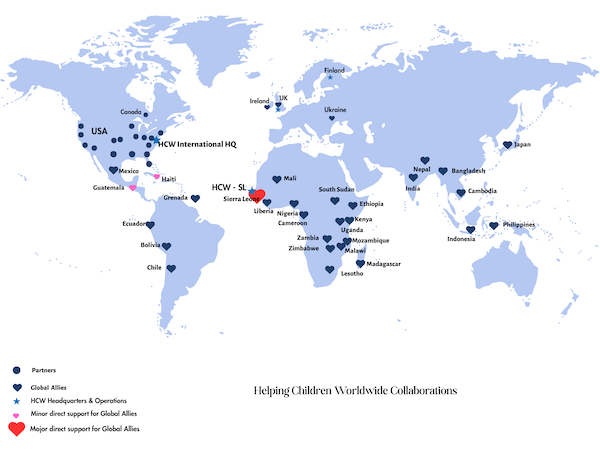
This is one of the reasons HCW is honored to serve as the Secretariat to the Sierra Leone Coalition for Family Care, a growing network of organizations committed to strengthening family-based care and child protection in Sierra Leone. Coalition partners include the Child Reintegration Centre, Princess Promise, Child and Family Permanency Services, Both Ends Believing, and World Hope International. Together, these organizations represent a shared commitment: children should not have to lose family care, safety, education, or dignity because the systems around them are too weak to support them.
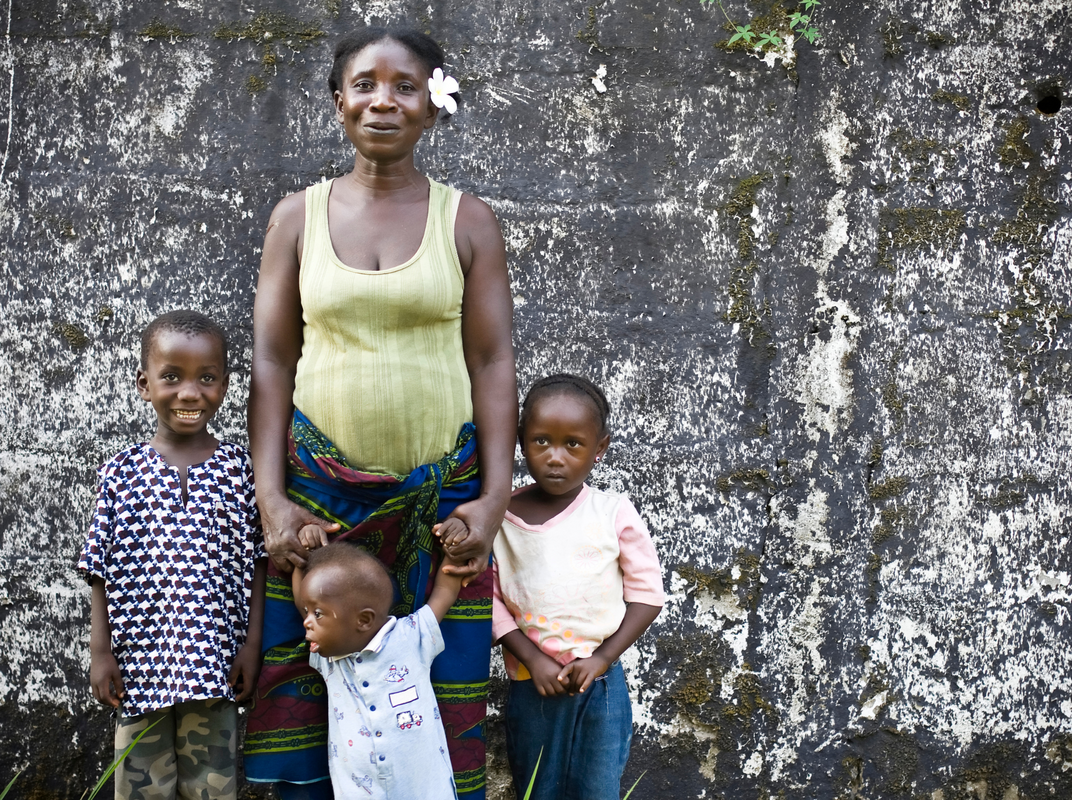
Family strengthening is one of the most important tools in the fight against child labor. When caregivers have support, children are more likely to remain safely at home. When families can access case management, education support, economic strengthening, counseling, health care, and community-based protection, children are less likely to be pushed into harmful work.
This approach aligns closely with the global call to end child labor. The ILO emphasizes that real progress requires not only child-focused intervention, but also support for adults and families: decent work, adequate livelihoods, education, social protection, enforcement, and stronger systems. (International Labour Organization)
This kind of prevention may look like a social worker visiting a family regularly. It may look like a caregiver receiving support to stabilize income. It may look like a child returning to school. It may look like a grandmother receiving help so the children in her care can remain safely with family. It may look like local organizations sharing tools, training, data, and best practices so children are better protected across communities. This is the kind of work that changes a child’s entire future.
Child labor often springs up in the gaps: gaps in family support, gaps in education, gaps in income, gaps in child protection, gaps in community awareness, and gaps in local systems. The work of the Sierra Leone Coalition for Family Care helps close those gaps by working together to strengthen the people and structures closest to children.
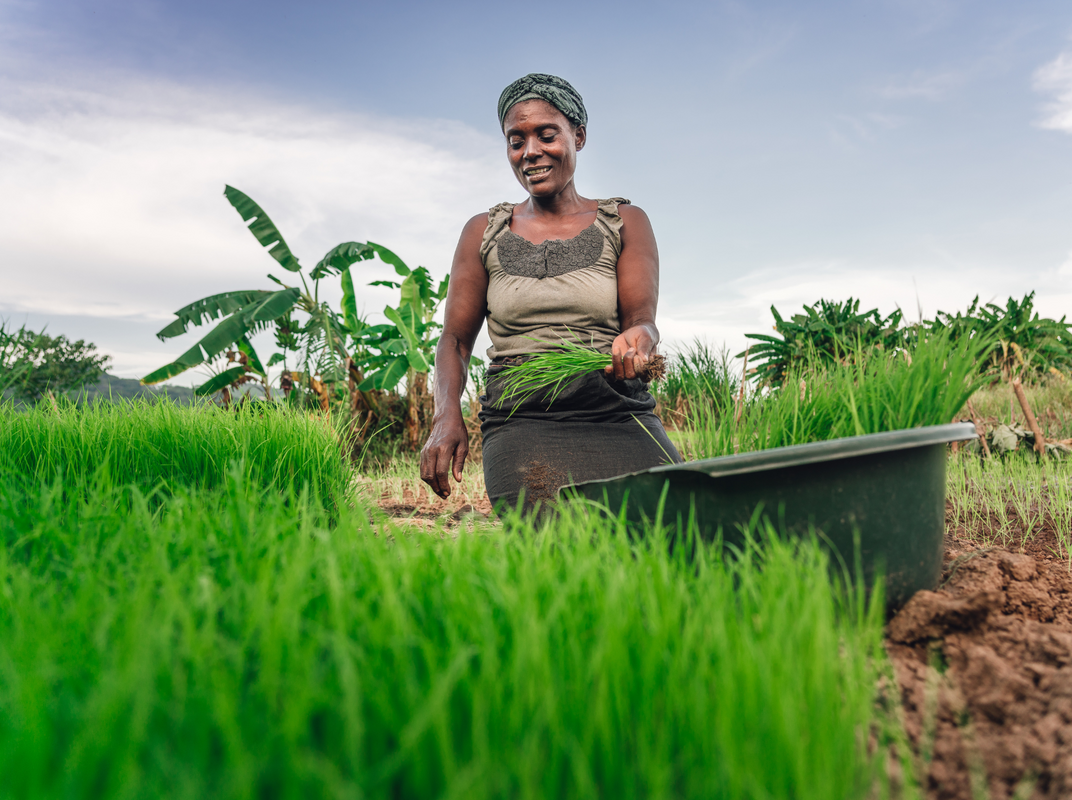
For HCW, this work is deeply connected to our mission. We do not believe children are best protected by building systems that wait until families fail in order to rescue them. We believe children are best protected when families are strengthened, communities are equipped, and local leaders have the tools and resources they need to care for children well, before the crisis happens.
World Day Against Child Labour reminds us that child protection is not only about rescue. It is about prevention. It is about family stability. It is about education. It is about economic support. It is about local leadership. It is about making sure children are surrounded by adults, organizations, and systems that protect their right to grow up safe, loved, and free from exploitation.
This is why HCW continues to support family-strengthening work and collaborative child protection efforts through the Sierra Leone Coalition for Family Care. When families are stronger, children are safer. When local systems are stronger, children are better protected. And when communities work together, children have a better chance to grow up where they belong: in safe, loving families, with the freedom to learn, play, and thrive.
On World Day Against Child Labour, we recommit ourselves to that vision.