Featured Story
Featured Story
Maternal Health is an orphan prevention strategy
About HCW
Reports on accountability, stewardship, and allied funding processes.
Our Work
Our Ideas
Data, research, publications, media, curriculum, worship materials, and essential resources.
Empowerment approaches to development, locally led collaborations, respectful alliances, ethical practices, and sustainable progress.
The Annual Conference of the United Methodist Church in Sierra Leone
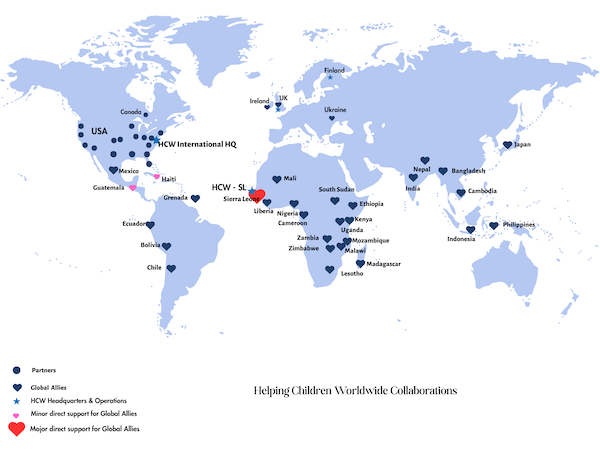
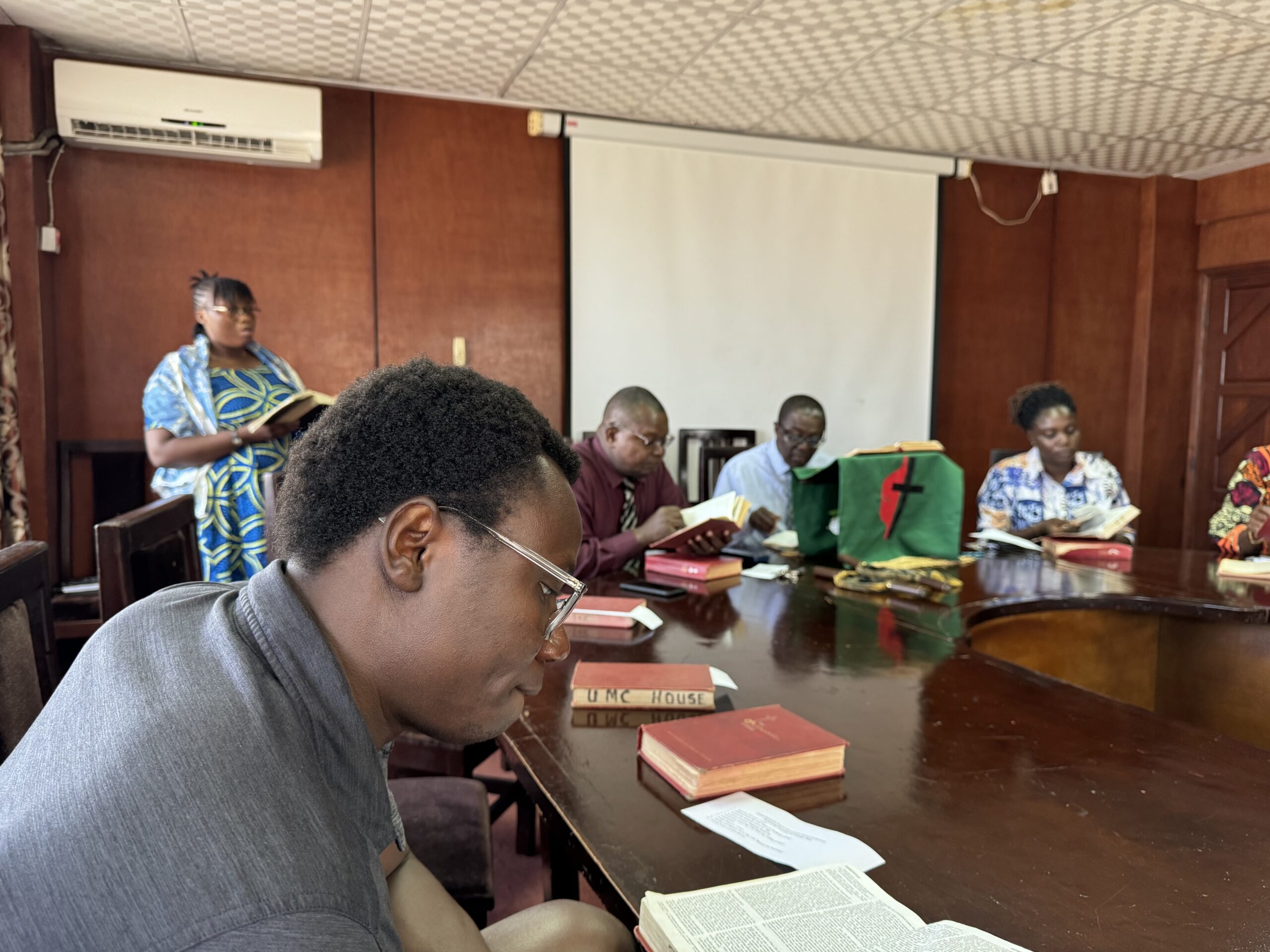
Our primary relationship in Africa is with the Sierra Leone Annual Conference of the United Methodist Church, and our primary work is aligned with supporting its programs. Building capacity in the foundation of systems that support their work is paramount and our natural role. Our other alliances in Sierra Leone grew out of our connections to others through the Methodist Church, to their role in the community of faith-based institutions working to transition institutional care to family care, and our connections to Sierra Leonean governmental bodies that regulate those service providers in medicine and social services. In a country as small as Sierra Leone, it is nearly impossible not to be six degrees from any other person, and often connections are much closer than that.
The UMC operates on a conference system. A church conference is the governance body of the denomination within a designated geographical region. The conference was the one of the original collaborative partners for our mission to help children, and has the longest, continuous, most faithful ally during the history of our mission.
Over time, it became clear that the HCW and UMC SLAC relationship suffered from a power imbalance. We had collaborated in founding several initiatives, programs and institutions operated by UMC SLAC personnel. While the ownership was always titled in the name of UMC, HCW had taken an outsized role in direct management of local operations, and that role grew each time the relationship was strained by trust issues stemming from cultural and resource conflicts. This power imbalance in resolving conflict was primarily the result of HCW being the source of all funding for the collaborations. While that imbalance remains a factor in navigating conflict, we have both learned alliance-oriented behaviors that set boundaries and establish . We continue to educate one another on how to conduct ourselves to be accountable and transparent to one another and maintain our appropriate roles with respect to the collaborations we continue to value.
One natural consequence of losing trust in a relationship is imposing control. Depending on which side of the power imbalance you are on, this looks like one side declining in accountability, obligation, responsibility, ownership and transparency, while the other side becomes more authoritarian, imposing decisions and consequences without regard to the interests or desires of the other.
Trust for Africa – radical trust
If you would like to learn more about the role of trust in global collaborations and alliances, listen to this Optimistic Voices episode
The Annual Conference of the United Methodist Church in Sierra Leone Our primary relationship in Africa is with the Sierra Leone Annual Conference of the United Methodist Church, and our primary work is aligned with supporting its programs. Building capacity in the foundation of systems that support their work is paramount and our natural role.…