Featured Story
Featured Story
Maternal Health is an orphan prevention strategy
About HCW
Reports on accountability, stewardship, and allied funding processes.
Our Work
Our Ideas
Data, research, publications, media, curriculum, worship materials, and essential resources.
Empowerment approaches to development, locally led collaborations, respectful alliances, ethical practices, and sustainable progress.
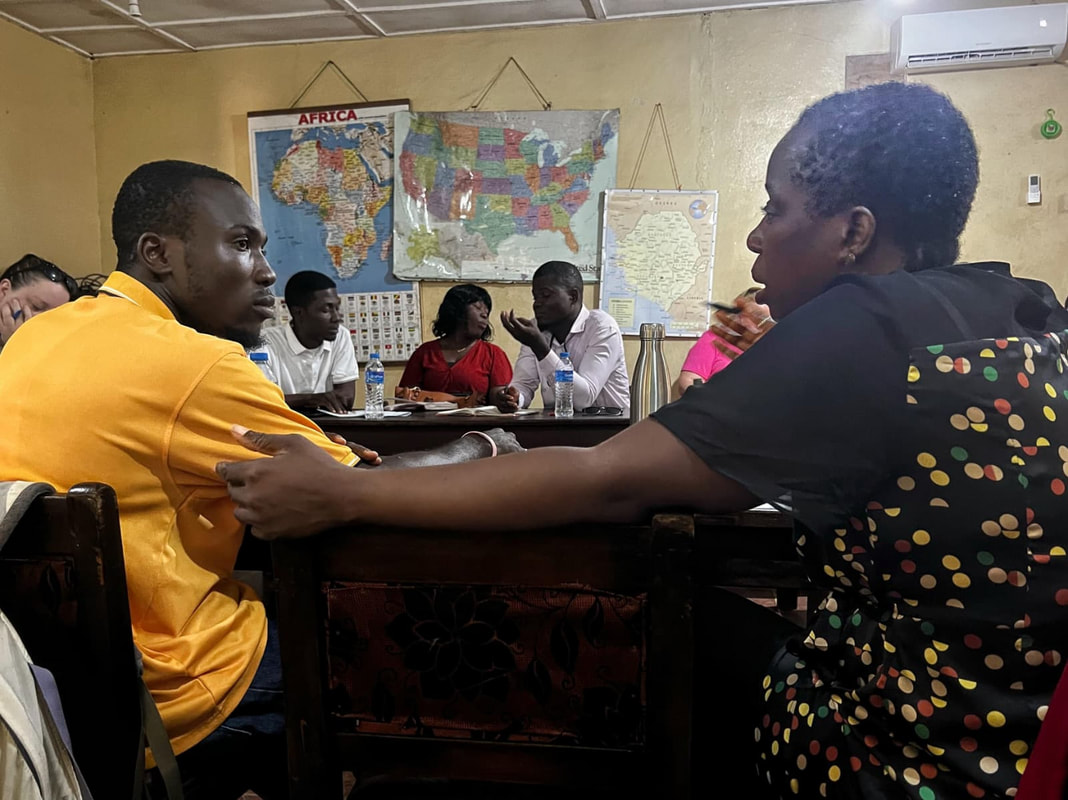
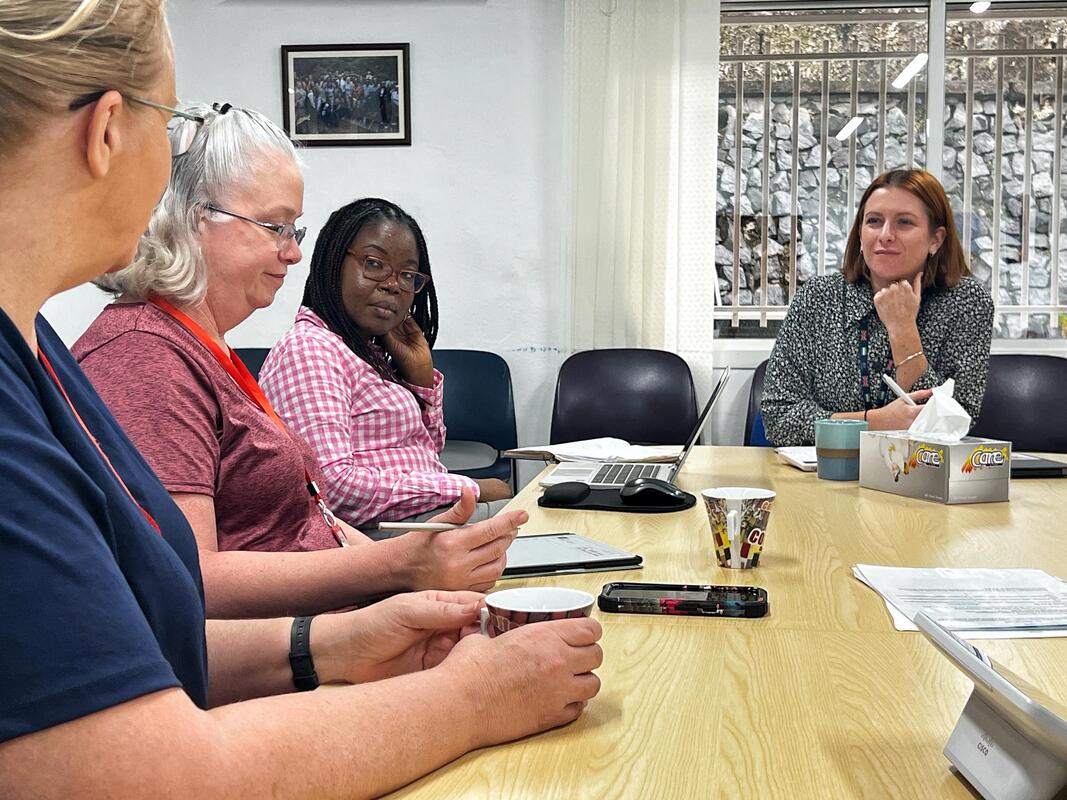
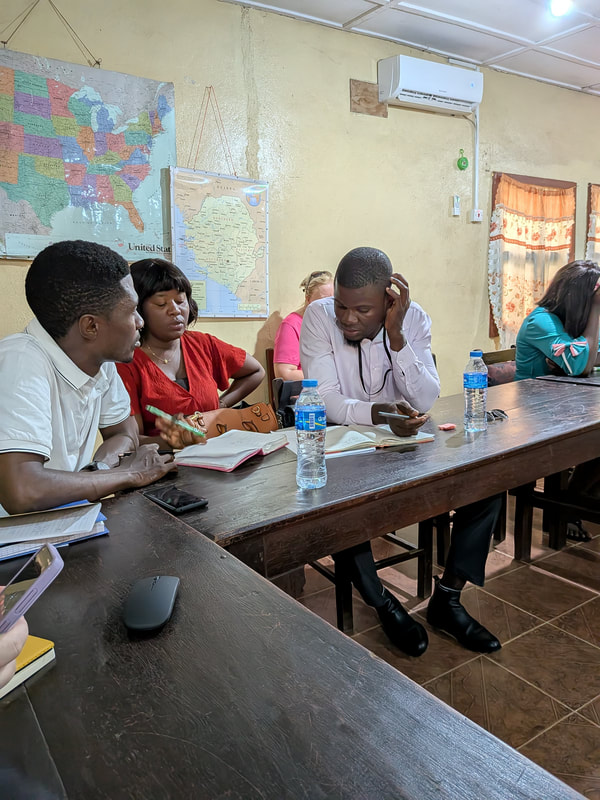
You know that at HCW, we love the stories where a child gets home, a family is reunited, or a caregiver achieves financial independence. Those are the obvious “wow” moments of the work we support around the world. As the Secretariat for the Sierra Leone Coalition for Family Care (SLCFC), I get to witness from the sidelines some different success stories.
What I’m sharing today is a different kind of “wow” moment.
These don’t have beauty shots of a child in the loving embrace of his family, or a microfinance recipient proudly standing in front of her shop. But they are the kinds of behind-the-scene wins that can shape how an entire nation cares for its children over time. This is the “build the scaffolding so the house stands for decades” kind of work.
And honestly – I’m at least as excited about these updates as I am about many of the others we’ve shared with you this year. And I’m not even going to apologize for “geeking out” about this.
New Momentum with the UK High Commission of Sierra Leone
In October, members of the SLCFC met with representatives of the UK High Commission, and a few really important things came out of that conversation:
It might not make headlines, but these kinds of relationships help position the Coalition as a serious partner in protecting children and strengthening families at a national level.
A Promising Beginning with the Irish Embassy
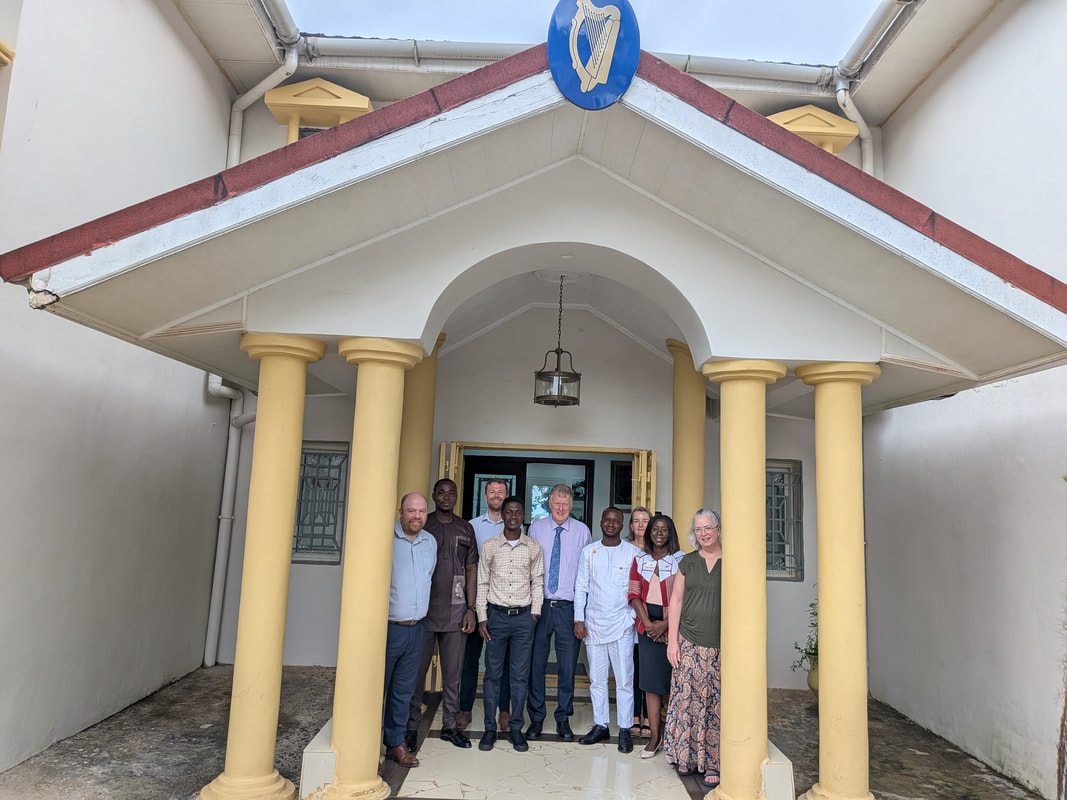
SLCFC members also had a really encouraging meeting with the Irish Embassy that included their new Ambassador in Sierra Leone. They are actively looking for meaningful projects and causes to champion – and they’re very interested in what the Coalition is doing.
In particular, they want to understand the Coalition’s work around:
In other words, they’re not just asking, “what are you doing?” They’re asking, “how would your work change the way Sierra Leone cares for its children – and how could we walk alongside that?”
It’s not a photo of smiling child in her mother’s arms, but having an Embassy team say, “we’re very interested in your national care reform work and how you see this playing out long -term” is a big step toward the kind of political and diplomatic backing that can move care reform from “good idea” to “national priority.”
Potential Pilots: Two Members Ready to Launch Emergency Foster Care
Of course, none of this matters if children on the ground don’t experience something different and better. That’s why I’m especially excited about this next update.
Two of the SLCFC organizations – Princess Promise and Child Reintegration Centre – have now completed training to become emergency foster care providers.
Here’s what that could mean:
This is where the high-level vision of “family for every child” becomes a real child in a real home with a real caregiver – and where government can see an actual working model on the ground.
Why These “Quiet Wins” Matter
I know that these kinds of updates can sound boring and technical: embassies, communities of practice, theory of change, pilot programs, meetings, meetings, meetings….
But here’s why I’m sharing them anyway:
These are the small but significant turns in the road that, over time, can change the direction of the nation’s entire care system.
What’s Next?
In the months ahead, the SLCFC will be:
If you’ve been wondering whether the slow, often invisible work of coalition-building actually matters – these wins are a clear “yes.”
They may not appear on the face as dramatic as a single powerful story of a family strengthened to independence. But taken together, these are the quiet, steady shifts that can someday make it true to say: in Sierra Leone, children grow up in families – not orphanages.